

Introduction
Cricket has always been more than a game. For millions of people, it is a routine, a conversation starter, a shared emotion, and sometimes even a daily habit. From radio commentary in earlier decades to high-definition live streaming today, the way people experience cricket has constantly evolved. What once depended only on watching and reacting has gradually turned into understanding, discussing, and participating.
With the rise of smartphones and real-time internet access, fans no longer remain passive spectators. They follow ball-by-ball updates, study player performances, compare statistics, and engage in continuous conversations during matches. In this digital environment, the term Cricket Book ID began appearing in everyday discussions. While it may sound technical at first, it actually represents a broader shift in how modern audiences connect with the sport.
This topic is not limited to technology alone. It touches psychology, social interaction, and the changing habits of cricket followers in the online era. The idea reflects how a traditional outdoor sport adapted to a fast-paced digital world, allowing fans to experience matches in a more personal and interactive way.
The following discussion looks at Cricket Book ID from a cultural and behavioral perspective — focusing on what it symbolizes, why people are drawn toward deeper engagement, and how the modern cricket experience has transformed from simple viewing into an ongoing participatory activity.
The Meaning of Cricket Book ID in the Modern Fan Experience
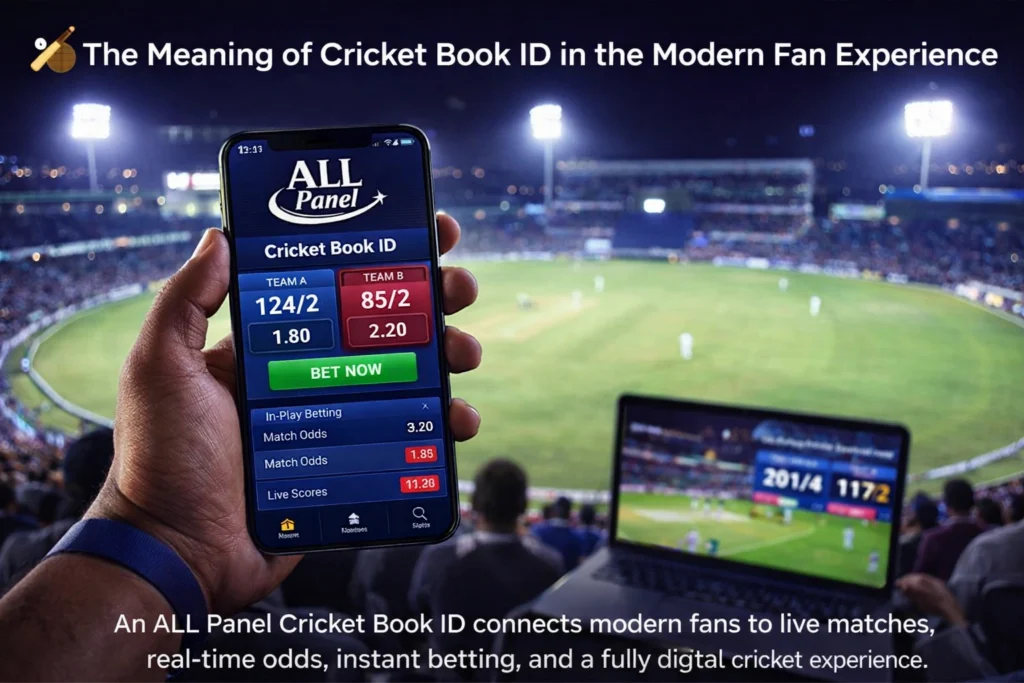
After understanding the introduction, the next important step is to clearly understand what people actually mean when they repeatedly talk about a Cricket Book ID in today’s digital cricket environment. The phrase appears simple, but in practical usage it carries multiple layers of meaning connected to access, identity, participation, and personal interaction with live cricket activity.
In earlier years, a cricket fan’s involvement was limited. A person could watch a match, listen to commentary, and discuss performance later with friends. The experience was delayed and mostly memory-based. Today, the situation is very different. The modern viewer wants instant updates, continuous match tracking, and a personalized way to stay connected to ongoing cricket events. This is where the idea of a Cricket Book ID becomes relevant.
A Cricket Book ID can be understood as a personal entry point into a digital cricket environment. Instead of being one of millions of anonymous viewers, the user now has an identifiable presence inside the cricket engagement system. The Cricket Book ID does not change the match itself, but it changes how the fan experiences the match. The fan shifts from only watching to actively following every development through a dedicated access identity.
Because of this, the Cricket Book ID is less about technology and more about behavior. It represents the shift from general viewing to personal tracking. Fans no longer depend on television broadcasters alone. Through a Cricket Book ID, they organize their own match-following pattern — checking updates, reviewing session progress, and keeping a structured record of the match flow in real time.
Another important aspect is continuity. A normal viewer watches one match and moves on. A Cricket Book ID user maintains a consistent engagement pattern across matches. The same Cricket Book ID becomes a repeated gateway, meaning the fan’s relationship with cricket becomes ongoing rather than occasional. The identity stays constant even when teams, tournaments, and formats change.
This continuity builds familiarity. The user becomes comfortable navigating match information quickly. Over time, the Cricket Book ID turns into a routine tool — similar to how a person checks weather updates daily. The cricket match becomes a continuously monitored event instead of a once-in-a-while spectacle.
The phrase also reflects how cricket culture adapted to mobile technology. Since smartphones are always available, fans expect cricket access to be equally immediate. A Cricket Book ID satisfies that expectation by acting as a ready connection point. At any moment during the day — work break, travel, or late night — the fan can reconnect with the live cricket environment through the same identity.
Another reason the Cricket Book ID gained popularity is control. Earlier, the viewer depended entirely on broadcast schedules. Now the fan decides when and how to check the match. Some users follow every over, others only key moments. The Cricket Book ID allows flexible interaction without forcing a fixed viewing structure.
Social interaction also changed. Discussions now happen during the match rather than after it. When multiple people hold their own Cricket Book ID access, conversations become synchronized with live events. A wicket falls and reactions appear instantly. A partnership grows and opinions evolve in real time. The identity therefore supports community timing — everyone reacts together even if physically apart.
From a psychological point of view, the Cricket Book ID reduces distance between fan and match. Even though the game still occurs in a stadium far away, the constant connection gives a feeling of presence. The fan feels updated at the same pace as the match itself. This immediacy increases emotional involvement while maintaining the comfort of remote viewing.
The concept also explains why modern cricket followers remember sessions more clearly. Continuous tracking through a Cricket Book ID strengthens attention. Instead of recalling only the final result, fans remember turning points, momentum shifts, and small changes in match direction. Their memory becomes structured rather than vague.
Importantly, the Cricket Book ID does not replace traditional viewing. Television and stadium experiences still matter. Instead, the identity adds a second layer — a companion channel of engagement running alongside the match broadcast. The viewer watches and tracks simultaneously, combining emotion with awareness.
Over time, this has reshaped the definition of a cricket fan. Earlier a fan meant someone who supported a team. Now a fan is also someone who follows match progression actively. The Cricket Book ID represents this updated definition — participation through continuous connection rather than occasional attention.
In simple terms, the Cricket Book ID is the modern fan’s personal doorway into the ongoing life of cricket. It stands for presence, continuity, control, and synchronized interaction. The match remains the same on the field, but for the viewer holding a Cricket Book ID, the experience becomes structured, immediate, and individually connected.
How Cricket Book ID Changed Fan Behavior and Viewing Habits
Once the idea of a Cricket Book ID became common among regular followers, the biggest transformation appeared not in technology but in human routine. People did not just adopt a new access method — they slowly changed how they watched, talked about, and remembered cricket matches. The Cricket Book ID began shaping daily behavior around cricket consumption.
Previously, match watching required fixed attention. A fan either sat through the game or missed most of it. Modern life, however, rarely allows long uninterrupted viewing. Work schedules, travel, and responsibilities interrupt viewing time. The Cricket Book ID solved this by allowing fragmented engagement. A fan now checks the match repeatedly instead of continuously.
This produced a new viewing pattern:
Morning — quick match status check
Afternoon — session progress update
Evening — detailed follow-up
Night — final result review
Instead of one long viewing session, the fan interacts with the match multiple times. The Cricket Book ID supports this stop-and-resume relationship with cricket.
Another visible change is attention span. Earlier, viewers focused mainly on big moments — centuries, wickets, and results. With a Cricket Book ID, smaller details gained importance. Fans began noticing:
Run rate shifts
Bowling spell pressure
Partnership stability
Session momentum
Because updates are continuous, even minor developments feel meaningful. The match becomes a flowing story rather than a collection of highlights.
The Cricket Book ID also altered patience levels. Traditional cricket required waiting — waiting for next over, next session, next day. Digital tracking reduced waiting time. Information now appears instantly. As a result, fans developed a quicker reaction cycle. Reactions that once took hours now occur in seconds.
Social conversations changed accordingly. Instead of discussing yesterday’s match, people now discuss the match while it is happening. A person at work and another at home react together because both follow through their Cricket Book ID. Physical location stopped mattering; timing became shared again.
Interestingly, this brought back a sense of collective watching that television had started losing. Earlier, neighbors gathered in one room. Now they gather in one timeline. Everyone watches separately but reacts together. The Cricket Book ID acts as a synchronized clock connecting multiple viewers to the same moment.
Fan memory also improved. When people only watched highlights, they remembered results. When they followed continuously through a Cricket Book ID, they remembered process. They could describe how a match turned rather than just who won. The journey became as memorable as the destination.
Another shift occurred in emotional rhythm. Old viewing patterns produced intense peaks — excitement only at big events. Continuous tracking created smoother emotional involvement. Fans stay connected throughout the match instead of feeling detached between highlights. The Cricket Book ID spreads engagement evenly across the entire game duration.
Habits outside cricket also adjusted. Many users formed checking routines similar to checking messages or news. Opening the Cricket Book ID became a natural reflex during breaks. This habit did not necessarily increase total viewing time but distributed attention across the day.
The Cricket Book ID further encouraged comparative thinking. Because information is always available, fans compare current performance with earlier sessions or matches. Conversations moved from “good innings” to “better than previous match phase.” The language of fandom became more structured and observational.
Importantly, these behavioral changes did not remove enjoyment. They changed its form. Cricket enjoyment shifted from event-based excitement to ongoing engagement. Instead of waiting for thrill, fans experience continuous involvement.
In summary, the Cricket Book ID reshaped fan habits by turning cricket from a scheduled activity into a background companion of the day. Viewing became modular, conversations became real-time, memory became detailed, and emotional connection became steady. The game on the field stayed the same, but the rhythm of following it transformed completely.
The Role of Cricket Book ID in Digital Cricket Communities
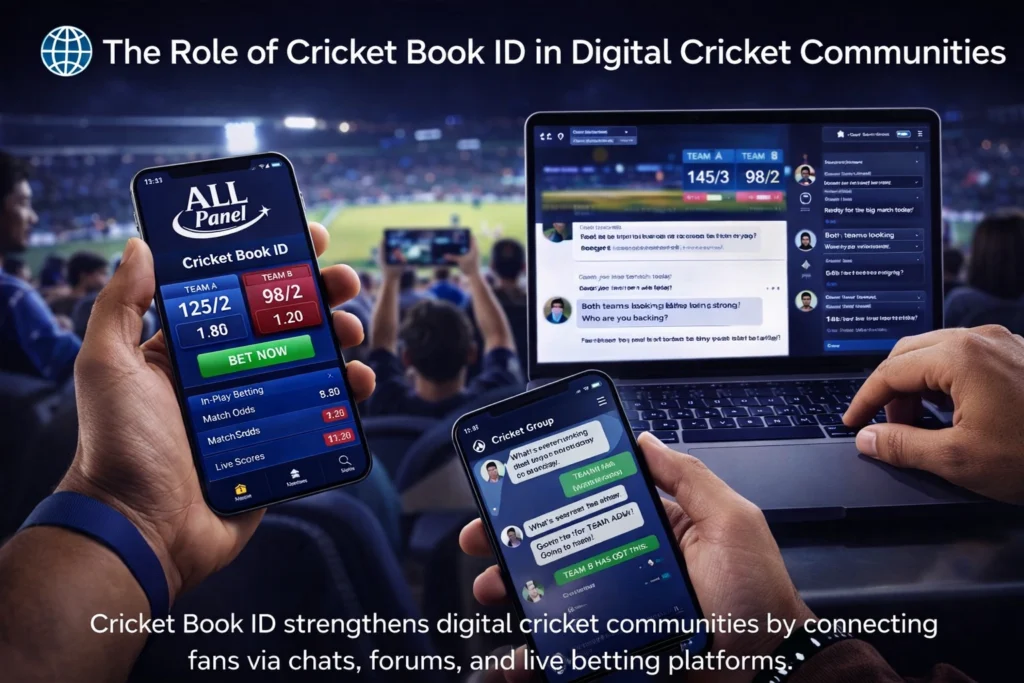
As fan behavior changed, another important development followed — the rise of structured online cricket communities. The Cricket Book ID did not remain limited to personal tracking; it gradually became a shared connection point that linked thousands of followers inside the same digital discussion environment. Instead of isolated individuals checking match updates separately, people began gathering in ongoing conversation spaces built around live cricket activity.
In earlier times, cricket discussion happened after the match. People waited until evening or the next day to talk about performances. Now, discussion runs parallel to the match itself. The moment a ball is delivered, opinions appear almost instantly. The Cricket Book ID plays a central role in this because each participant enters the discussion through their own identifiable access. The conversation becomes organized rather than random.
Inside these communities, fans do not only react emotionally. They interpret situations together. One person observes field placement, another notes bowler rhythm, and someone else tracks scoring pace. Because everyone follows through a Cricket Book ID, they are synchronized with the same match moment. This shared timing makes discussions meaningful — participants are not talking about different points of the match but the exact same delivery or over.
The Cricket Book ID therefore supports collective awareness. Even if participants live in different cities or countries, they remain aligned with the same live context. Distance disappears, replaced by simultaneous attention. The community feels present inside the match rather than merely commenting afterward.
Over time, these groups develop their own conversation patterns. Regular participants recognize each other’s perspectives. Some members focus on technical aspects, some on strategy, others on momentum shifts. The Cricket Book ID becomes a stable identity that allows continuity in interaction. The same users meet across multiple matches and tournaments, creating familiarity similar to regular spectators sitting in the same stadium stands.
Another noticeable change is the speed of knowledge exchange. Earlier, understanding depended on commentators and experts. Now, community members share observations instantly. A bowling change or batting approach is explained within seconds. The Cricket Book ID allows each person to contribute because everyone accesses the same real-time information layer.
This also changes learning. New followers entering the community gradually understand the game faster. By observing ongoing discussions linked through Cricket Book ID participation, they absorb cricket awareness naturally. Instead of reading manuals or long explanations, they learn situational thinking directly during live matches.
The Cricket Book ID also supports continuity between matches. Conversations rarely end at the final ball. After completion, discussions shift toward reviewing key phases, predicting future encounters, and recalling patterns noticed earlier. Because the same identity returns for the next match, the community does not reset — it continues evolving. The match becomes one chapter in a longer ongoing discussion.
Interestingly, disagreements remain part of the experience but usually stay constructive. Since everyone watches the same live development, debates focus on interpretation rather than facts. One member may believe momentum favors the batting side, another sees pressure building from bowling discipline. The Cricket Book ID keeps the argument anchored to real-time events rather than speculation.
Another impact is emotional balance. Watching alone can intensify reactions. Watching within a synchronized community spreads emotion across participants. Excitement, tension, and disappointment are shared instantly. The Cricket Book ID connects individuals into a collective response system, reducing isolation in intense moments.
These communities also preserve match memory better than traditional viewing. Discussions recorded through continuous participation become a timeline of how fans perceived the match at each stage. Later, participants recall not just what happened but how people reacted at that moment.
In essence, the Cricket Book ID transformed cricket following from a private activity into a collaborative experience. It created live discussion spaces where awareness, emotion, and analysis flow together. The game remains played on the field, but the understanding of it grows inside the community.
By linking individual viewers into synchronized participation, the Cricket Book ID turned cricket from something watched by many into something experienced together — even when no two people sit in the same place.
Cricket Book ID and the Psychology of Continuous Engagement
After communities formed around shared live discussions, a deeper layer of influence became visible — the psychological effect of constant connection. The Cricket Book ID did not only change habits and conversations; it reshaped how the mind processes anticipation, uncertainty, and satisfaction while following a cricket match.
Cricket has always been a game built on suspense. Every ball carries possibility. A quiet over can suddenly turn dramatic. In traditional viewing, suspense came in large intervals. Viewers waited several minutes between updates or watched long stretches passively. The emotional curve rose and fell slowly.
With a Cricket Book ID, suspense became frequent and immediate.
Instead of long waiting periods, the brain now receives regular small updates. Each update acts like a micro-event. The mind begins expecting the next change constantly. This creates a loop of anticipation — not intense enough to cause exhaustion, yet active enough to hold attention throughout the day.
Psychologically, humans are drawn to patterns that are unpredictable but structured. Cricket fits this perfectly. The Cricket Book ID strengthens the effect by presenting the match as a continuous sequence rather than a distant broadcast. The brain feels involved because information arrives at the same pace as the real event.
This leads to what psychologists call progressive engagement — interest sustained through frequent small interactions instead of occasional large ones.
Another effect appears in prediction behavior. When people receive regular updates, they naturally start forecasting outcomes. They do not wait for experts. They mentally calculate possibilities based on recent developments. The Cricket Book ID supports this because the user always has fresh context.
Prediction triggers dopamine — the brain’s reward signal.
Correct prediction strengthens confidence.
Confidence increases attachment.
Over time, the person feels mentally invested in the unfolding match story.
Importantly, this investment is cognitive, not physical. The viewer has not influenced the match but feels mentally connected to its direction. This sense of participation explains why people remember details more vividly when following continuously through a Cricket Book ID. Memory improves because attention stays active.
There is also the effect of control perception. Live sports are unpredictable, which normally creates emotional tension. However, when a person tracks events closely, the uncertainty feels manageable. Even though outcomes remain unknown, understanding progression reduces anxiety. The Cricket Book ID provides enough information for the brain to feel oriented rather than confused.
In earlier eras, sudden score announcements shocked audiences. Now, fans anticipate turning points because they observe gradual buildup. Emotional reactions become smoother and less abrupt.
The Cricket Book ID also alters time perception. A full match once felt long. Continuous micro-engagement breaks the timeline into smaller segments — overs, spells, sessions. The mind processes each segment as a short activity, making the entire duration feel shorter even while attention lasts longer overall.
Another psychological change involves attachment strength. When someone interacts repeatedly with a live event across hours, the brain categorizes it as an ongoing experience rather than a single program. The match becomes part of the person’s daily narrative. This does not necessarily increase obsession; instead, it integrates cricket into routine awareness similar to checking news updates.
However, balance remains important. Continuous engagement should remain enjoyable rather than compulsory. Healthy use means the Cricket Book ID enhances curiosity without creating pressure to monitor every moment. When treated as optional interaction, the experience remains refreshing.
Social reassurance also plays a role. Knowing others are following the same moment reduces emotional extremes. Shared reactions stabilize mood because excitement and disappointment are collectively processed. The Cricket Book ID indirectly supports this by aligning viewers to the same timeline.
In summary, the psychological influence of the Cricket Book ID lies in rhythm. It replaces occasional high peaks of excitement with steady involvement. The fan does not simply wait for events — the fan travels alongside them mentally. Anticipation becomes continuous, understanding becomes clearer, and memory becomes sharper.
Cricket remains unpredictable on the field, but in the mind of the follower connected through a Cricket Book ID, the experience transforms into an unfolding narrative rather than a distant spectacle.
Cricket Book ID and the Shift from Passive Watching to Active Understanding
As psychological engagement deepened, another major transformation became clear — the Cricket Book ID gradually turned cricket followers from passive viewers into active observers. Earlier, watching cricket mostly meant enjoying shots, celebrating wickets, and waiting for the final result. The match was entertainment first, understanding second. With continuous access and structured updates, this order slowly reversed.
The Cricket Book ID encourages attention to progression rather than just outcome.
A traditional viewer might remember a century or a last-over finish. A continuously connected follower remembers phases — the cautious start, the pressure overs, the recovery partnership, and the closing acceleration. The match becomes a sequence of strategic stages instead of isolated highlights.
Because the user checks developments repeatedly, the brain begins linking cause and effect. A quiet spell from a bowler is noticed not just as “good bowling” but as a build-up to a wicket. A slow scoring period is seen as pressure rather than inactivity. Through the Cricket Book ID, observation turns into interpretation.
This creates analytical viewing without formal training.
People who never studied cricket strategy begin naturally recognizing patterns:
• Why captains change field positions
• How run rate pressure influences shot selection
• When bowlers aim for control instead of wickets
• Why momentum shifts after small moments
The Cricket Book ID provides the timing awareness necessary for these realizations. Since updates are continuous, nothing appears random. Every event seems connected to a previous one.
Another effect is patience. Highlights encourage quick reactions. Continuous following rewards waiting. A user begins to understand that cricket unfolds gradually. Instead of demanding instant excitement, the fan starts appreciating buildup. Even a quiet passage gains meaning because it shapes later events.
This alters emotional response. Rather than reacting only to big moments, followers appreciate subtle phases — defensive batting under pressure or tight overs that restrict scoring. The Cricket Book ID does not change the match, but it changes what the viewer notices.
Over time, vocabulary evolves as well. Conversations shift from simple praise to descriptive explanation. Instead of saying “great over,” people describe why it was effective. The Cricket Book ID indirectly improves communication because viewers observe more carefully.
Another important change is replay value. After the match ends, followers recall sequences clearly. They remember how the game moved, not just where it finished. The mind stores a timeline instead of a snapshot. Continuous engagement strengthens narrative memory.
This also bridges the gap between casual fans and serious followers. Earlier, deep understanding required years of watching or expert commentary. Now regular interaction through a Cricket Book ID gradually teaches structure. The learning feels natural because it happens during enjoyment, not study.
Importantly, the emotional joy remains intact. Analysis does not remove excitement — it enhances it. When a fan understands buildup, the final moment feels earned rather than sudden. A wicket after pressure overs feels satisfying because the viewer saw it forming.
The Cricket Book ID therefore creates layered enjoyment:
Immediate thrill from events
Intellectual satisfaction from understanding
Lasting memory from sequence awareness
Cricket becomes both a story and a strategy.
This shift reflects a broader change in entertainment consumption. People no longer want only outcomes; they want process. The Cricket Book ID aligns perfectly with that preference by delivering ongoing context instead of isolated updates.
In simple terms, the fan stops asking only “who won?” and starts asking “how did it happen?” That single question marks the transition from watching to understanding.
Through steady connection, the Cricket Book ID transforms cricket into a continuous learning experience — one where every over adds meaning, every session adds perspective, and the match becomes a complete narrative rather than a final score alone.
Cricket Book ID and the Balance Between Entertainment and Routine
After changing understanding and observation, the Cricket Book ID also influenced how cricket fits into everyday life. Earlier, watching a match required setting aside dedicated time. A person planned the day around the match schedule. Now the relationship has reversed — the match adjusts around the person’s daily routine.
The Cricket Book ID allows cricket to exist in the background of life rather than occupying the entire day.
People no longer need to choose between responsibilities and following the game. Instead, they briefly reconnect with the match whenever free moments appear. A short break, a commute pause, or a quiet evening minute becomes enough to stay updated. Because access is always available, engagement becomes flexible.
This flexibility creates comfort. The fan does not feel pressured to watch continuously. Missing a few overs no longer feels like missing the match. The Cricket Book ID ensures the viewer can quickly understand the situation and continue following naturally.
As a result, cricket turns into a companion activity rather than a scheduled event.
The daily routine now includes small cricket check-ins:
Morning curiosity about start
Afternoon awareness of progress
Evening understanding of direction
Night closure with result
The match stretches across the day without interrupting it.
Another noticeable change is emotional moderation. Continuous television watching often amplifies reactions because attention remains fixed for hours. Short interactions through a Cricket Book ID reduce emotional intensity. The fan remains interested but not overwhelmed. Excitement appears in controlled bursts instead of long tension cycles.
This balance helps maintain long-term enjoyment. When engagement feels manageable, people follow more matches across a season without fatigue. Cricket becomes sustainable entertainment rather than exhausting involvement.
The Cricket Book ID also supports selective focus. Not every moment of a match holds equal importance for every viewer. Some prefer early overs, others the closing stages. Flexible access lets fans naturally gravitate toward phases they enjoy most while still understanding the complete story.
Over time, individuals develop personal viewing styles:
Some check frequently for small updates
Some follow only key turning points
Some observe only specific sessions
The Cricket Book ID adapts to each pattern without forcing a single method of following cricket.
Another benefit appears in social balance. Earlier, long viewing hours sometimes separated people from daily interactions. Now engagement fits between conversations, tasks, and responsibilities. Cricket discussion integrates into life instead of replacing it. A quick look at match progress can accompany normal activities rather than interrupt them.
This integration keeps cricket connected to reality. The sport remains enjoyable because it coexists with routine instead of dominating it. Fans stay informed while still participating fully in everyday responsibilities.
Importantly, this balance preserves the original spirit of sports — relaxation. The Cricket Book ID should act as a light connection, not a constant demand. When used naturally, it keeps curiosity alive without creating urgency.
The transformation therefore is not about increasing time spent on cricket but redistributing attention. The same interest spreads gently across the day. Instead of one long block of viewing, the fan experiences many small moments of engagement.
In essence, the Cricket Book ID makes cricket portable in time. The match travels alongside the person rather than the person arranging life around the match. Entertainment and routine stop competing and begin cooperating.
By fitting into ordinary daily patterns, the Cricket Book ID ensures that cricket remains enjoyable, accessible, and comfortable — a steady presence that accompanies life rather than interrupts it.
Cricket Book ID and the Evolution of Modern Cricket Culture
With habits, psychology, and routines transformed, the Cricket Book ID eventually began shaping something larger — cricket culture itself. Culture is not created only by players or tournaments; it grows from how people collectively experience the sport. When millions of fans start interacting with cricket in a new way, the identity of the sport subtly changes.
Earlier cricket culture was event-centered. Big matches defined the year. Fans waited weeks for a major series, watched intensely, celebrated or debated, and then moved on. The time between matches felt empty. Today, continuous connection has removed those gaps. Cricket conversation rarely stops because engagement never completely pauses.
The Cricket Book ID supports this continuous culture.
Instead of peaks separated by silence, cricket now flows steadily through daily life. Smaller matches receive attention that earlier only finals enjoyed. Every contest gains narrative because followers stay informed from beginning to end. The sport feels alive every day rather than occasionally.
Another cultural shift is the equal importance of moments. In the past, only spectacular performances were remembered widely. Now even subtle passages become part of shared memory. Fans recall a slow partnership, a disciplined bowling spell, or a gradual comeback because they witnessed it developing step by step through constant connection.
This has expanded respect for different playing styles. Defensive batting, patient bowling, and tactical captaincy now receive appreciation alongside aggressive highlights. The Cricket Book ID indirectly encourages deeper respect for the craft of the game, not just its dramatic peaks.
Language around cricket has evolved as well. Traditional fan talk relied on emotions — thrilling, heartbreaking, unbelievable. Modern conversation blends emotion with observation — pressure, control, tempo, balance. The sport is still loved passionately, but it is discussed more thoughtfully.
Generations are also interacting differently. Older fans bring historical comparisons, while younger followers track present details continuously. Through shared timing, both perspectives meet. The Cricket Book ID bridges memory and immediacy, allowing past and present discussions to exist together during live matches.
Another noticeable change is global simultaneity. Earlier, geography determined experience. A person in one country watched live while another read updates later. Now followers across time zones stay aligned. Even if someone cannot watch visually, continuous access keeps them part of the same moment. Cricket culture becomes less regional and more collective.
The sense of waiting has also transformed. Waiting used to be central to cricket — waiting for next day’s play, next tour, next season. Continuous awareness reduces empty anticipation and replaces it with ongoing curiosity. Fans still look forward to matches, but they no longer disconnect between them.
Importantly, the emotional core of cricket remains intact. Celebrations, rivalries, and memories still matter. The difference lies in continuity. Emotions now extend across longer timelines because engagement never fully switches off. The Cricket Book ID stretches the experience beyond stadium hours.
This cultural evolution also changes how stories are told. Instead of remembering only iconic finishes, fans narrate journeys — how momentum moved across sessions, how pressure built gradually, how recovery unfolded. Cricket storytelling becomes layered and detailed.
In simple terms, cricket culture has shifted from occasional spectacle to constant presence. The sport accompanies everyday conversation rather than interrupting it. The Cricket Book ID functions as a quiet connector keeping millions aligned with the same unfolding narrative.
The field remains the center, players remain the performers, but the audience now participates in a continuous shared awareness. Through steady connection, cricket feels less like a series of matches and more like an ongoing season-long story that everyone follows together.
This is how a simple access concept gradually influenced the broader culture — not by changing the game itself, but by changing how people live alongside it.
The Future Outlook of Cricket Book ID in the Digital Era
After influencing habits, psychology, routines, and culture, the natural question arises — what direction can the Cricket Book ID take in the coming years? Technology never remains static, and cricket has historically adapted to every communication shift, from radio to television to mobile connectivity. The Cricket Book ID represents the current stage of this journey, but its role will likely expand as digital environments become more advanced.
One clear trend is personalization. Today the Cricket Book ID connects a user to ongoing match information. In the future, it may shape a fully customized cricket experience. Different fans enjoy different aspects of the game — some prefer batting progress, others focus on bowling spells, and some follow only crucial match phases. Digital systems are gradually learning these preferences.
Because the Cricket Book ID acts as a consistent identity, it can support individually tailored interaction. Instead of every fan receiving identical updates, each person may see the match presented according to their interest pattern. The game remains the same, but the presentation adapts to the viewer’s attention style.
Another likely development is layered match visualization. At present, followers interpret match flow mentally while reading updates. As technology improves, real-time graphical representations may become more common. The Cricket Book ID could serve as the personal access point where fans observe movement, pressure zones, and session patterns in visual form. This would not replace watching the match but enhance understanding for those who want deeper clarity.
Audio interaction may also evolve. Instead of traditional commentary alone, users may select different explanation styles — simple narration, technical breakdown, or summary format — all connected through the same Cricket Book ID profile. The experience becomes adjustable rather than fixed.
Artificial intelligence will probably contribute to this transformation. AI systems already analyze performance patterns in professional cricket preparation. For fans, similar analysis could translate complex developments into understandable insights. A follower might open their Cricket Book ID interface and instantly see a short explanation describing why the match momentum is changing.
Importantly, these developments aim to assist understanding, not remove unpredictability. Cricket’s excitement depends on uncertainty. Technology can clarify context but cannot predict every outcome. The Cricket Book ID’s future lies in improving awareness while preserving suspense.
Another area of growth is continuity across tournaments. Fans currently reconnect for each series separately. A long-term Cricket Book ID profile could gradually build a personal history — remembering what matches a user followed, what teams they observed most, and how their viewing preferences changed over time. This transforms cricket following into a long narrative rather than disconnected seasons.
Global accessibility will also expand. As connectivity improves worldwide, more regions will follow matches simultaneously. The Cricket Book ID will function as a universal participation key linking viewers regardless of location. The stadium may host the players, but digital space hosts the audience collectively.
Despite technological advancement, simplicity will remain important. The most successful systems will be those that keep engagement natural rather than complicated. Fans value cricket because it relaxes them; any future development around the Cricket Book ID must maintain ease of use and avoid overwhelming detail.
Balance therefore becomes the guiding principle of the future — deeper understanding available when desired, and effortless enjoyment when preferred. The same identity should support both casual and attentive following without forcing one style.
Ultimately, the Cricket Book ID is not an endpoint but a stage in cricket’s communication evolution. It began as a connection tool, became a participation medium, and may grow into a personalized companion for every follower. Yet the purpose stays constant: keeping fans close to the unfolding story of the match.
No matter how advanced the digital layer becomes, the essence of cricket will still depend on uncertainty, skill, and timing. The Cricket Book ID will continue acting as a bridge — bringing the audience nearer to the game while allowing the game to remain beautifully unpredictable.
Conclusion — The True Place of Cricket Book ID in the Fan Experience
After exploring behavior, psychology, community interaction, daily routine, culture, and future possibilities, one idea becomes clear: the Cricket Book ID is not really about technology alone. It represents a transition in how people relate to cricket itself. The sport has not changed in rules or spirit, yet the distance between the match and the follower has become much smaller.
Earlier, cricket existed at specific times. A person prepared to watch it. When the match ended, connection paused. Now the connection continues gently throughout the day. The Cricket Book ID makes cricket a continuous presence rather than a temporary event.
This does not mean fans love the game more than before — it means they experience it differently. Interest shifted from occasional excitement to ongoing awareness. Instead of waiting only for dramatic finishes, followers appreciate progression. They notice how situations build and resolve. The enjoyment now lies both in moments and in movement.
Importantly, the Cricket Book ID does not replace traditional viewing. Stadium atmosphere, television commentary, and shared celebrations still hold emotional value. The new system simply adds another layer — a quiet channel that keeps the fan informed and connected at all times. One can still watch normally, yet also remain aware when away.
Because of this, cricket fits more naturally into modern life. People no longer need to rearrange responsibilities to stay updated. They stay involved while continuing everyday activities. The game becomes a companion instead of an interruption.
For readers who explore broader cricket discussions and perspectives online, you can also visit betbhai9 for additional reading, while the main internal reference and related information remain available at allpanelexchange.
The greatest impact may be psychological balance. Continuous but light engagement prevents both detachment and overload. Fans neither miss the match completely nor feel forced to watch constantly. The Cricket Book ID supports comfortable involvement — the ability to step in and out without losing connection.
Culturally, it has turned cricket into an ongoing conversation rather than a scheduled topic. Discussions begin before the first ball and continue long after the last. Every match becomes part of a longer story shared across communities and time zones.
Looking ahead, technology will continue evolving, but the central idea will remain simple: people want to feel close to the game. The Cricket Book ID fulfills that desire by acting as a bridge between live action and everyday life.
In the end, cricket still depends on uncertainty — a bowler’s plan, a batter’s decision, a single unexpected moment. The digital layer only helps followers travel alongside that uncertainty. It does not change the result; it changes the experience.
So the Cricket Book ID should be understood not as a feature or trend, but as a reflection of modern fandom. It shows how a traditional sport adapts to a connected world while preserving its emotional core.
The match still unfolds on the field.
The excitement still comes from the play.
The difference is that now, through the Cricket Book ID, the fan walks beside the match from beginning to end.
Frequently Asked Questions (FAQ)
1. What is a Cricket Book ID?
A Cricket Book ID is a personal access identity used to connect with digital cricket environments where fans follow live match progress, updates, and ongoing match information in real time.
2. Why do people use a Cricket Book ID?
People use a Cricket Book ID to stay continuously connected with matches without needing to watch the full broadcast. It allows flexible tracking of match developments throughout the day.
3. Does a Cricket Book ID change how cricket is watched?
Yes. Instead of only watching highlights or full matches, fans follow match progression step-by-step. This turns cricket from a single viewing session into an ongoing experience.
4. Is a Cricket Book ID only for experts?
No. Both casual followers and serious cricket fans use it. Beginners often understand the game better over time because they observe the match flow regularly.
5. Can someone follow a match without watching television using a Cricket Book ID?
Yes. A Cricket Book ID allows users to stay updated on match situations even when they are away from the screen.
6. Does it reduce the enjoyment of live matches?
Usually the opposite happens. Continuous awareness often increases appreciation because fans understand how moments develop before the final result.
7. Is a Cricket Book ID used daily or only during big matches?
Many followers use it during any ongoing match, not just major tournaments, because it fits easily into daily routine check-ins.
8. How is it different from normal score updates?
Normal updates show results occasionally, while a Cricket Book ID supports continuous engagement and structured tracking of match progress.
9. Can multiple people use their own Cricket Book ID at the same time?
Yes. Each person has an individual identity, allowing many users to follow the same match simultaneously while sharing discussions.
10. What is the main benefit of a Cricket Book ID?
Its main benefit is consistent connection — fans remain aware of the match journey from start to finish without interrupting their regular activities.
🤝 Our Partner Websites & Trusted Betting Network
In the fast-growing world of online cricket platforms, trust and reliability are everything. That’s why we proudly collaborate with some of the most recognized and trusted names in the cricket betting and exchange industry. Our strong partner network ensures secure Cricket Book ID access, fast transactions, competitive odds, and a seamless betting experience for every user.
One of our trusted partners is BetIndia, a platform known for smooth user experience, instant Cricket ID activation, and reliable exchange markets. Users who prefer a stable and secure betting environment often choose https://betindia.vip/ for live cricket betting and real-time match odds.
We also work closely with Mahadev Casino, a rapidly growing name in online cricket exchange and casino gaming. Whether you are looking for a Cricket Book ID or premium casino games, https://mahadev.casino/ and https://mahadev-casino.com/ provide secure platforms with strong customer support and multiple betting markets.
For cricket fans who want updated match insights and betting news, https://yoiplnews.com/ serves as an excellent source of IPL updates, cricket analysis, and exchange-related information. Staying informed helps users make smarter betting decisions in live markets.
Another reliable platform in our trusted betting network is https://betbhai9.blog/, known for its easy registration process, fast withdrawals, and competitive cricket odds. This platform continues to build a strong reputation among cricket betting communities.
🌟 Why Our Partner Network Matters
Our collaboration with these trusted websites ensures:
- Secure Cricket Book ID registration
- Instant deposit and withdrawal support
- Live cricket betting with real-time odds
- 24/7 customer assistance
- Reliable exchange platforms
- Safe and transparent betting environment
Through our verified partner ecosystem, users gain access to premium cricket betting services backed by trusted industry platforms. We focus on providing a secure, seamless, and professional Cricket Book ID experience through strong digital partnerships.