
Introduction:
Table games have long been a cornerstone of entertainment, bringing people together through a shared experience of strategy, skill, and fun. Played on a flat surface using boards, cards, dice, or tiles, these games offer a perfect balance between mental challenge and social interaction. From classic games like chess and carrom to modern board games, table games continue to evolve while maintaining their timeless appeal. They are not only a source of enjoyment but also a powerful way to develop critical thinking, improve focus, and strengthen relationships. In today’s fast-paced digital world, table games provide a refreshing break, encouraging face-to-face connection and meaningful engagement.
Overview of Table Games
Table games encompass a wide range of formats, styles, and gameplay experiences, making them one of the most versatile forms of entertainment. At a basic level, they are games played on a table or flat surface, but within that simple definition lies an incredible diversity. From strategic board games and competitive card games to fast-paced dice games and traditional cultural favorites, table games cater to all types of players.
One of the key reasons behind the popularity of table games is their variety. Board games like chess and checkers focus heavily on strategy and planning, requiring players to think several steps ahead. Card games such as poker and rummy introduce elements of probability, psychology, and risk management. Meanwhile, games like carrom combine precision and skill with a touch of competitiveness, making them enjoyable for both beginners and experienced players.
Another important aspect of table games is their adaptability. They can be played in different settings, whether it’s a casual family gathering, a friendly match among friends, or a competitive tournament environment. Some games are quick and easy to learn, making them perfect for short entertainment sessions, while others are more complex and demand time, patience, and deeper understanding.
Table games also vary in terms of player involvement. Some are designed for two players, creating intense one-on-one competition, while others accommodate larger groups, encouraging teamwork and social interaction. This flexibility ensures that there is always a table game suitable for any occasion or group size.
In addition to entertainment, table games often carry elements of tradition and culture. Many classic games have been passed down through generations, preserving their rules and significance over time. They serve as a bridge between the past and the present, allowing people to experience a sense of heritage while enjoying modern gameplay.
Overall, the world of table games is rich and dynamic. Whether someone is seeking a mental challenge, a social activity, or simply a way to relax, table games provide an engaging and accessible option that continues to stand the test of time.
Types of Table Games
Table games come in many different forms, each offering a unique way to play and engage. This variety is one of the main reasons they remain popular across all age groups and cultures. From simple games that anyone can learn quickly to more complex ones that require practice and planning, there is something for everyone.
One of the most well-known categories is board games. These games are played on a fixed board and usually involve moving pieces according to specific rules. They often focus on planning and decision-making, where each move can affect the final outcome. Some are easy to understand, while others take time to master.
Card games are another major type. They use a deck of cards and can be played in many different ways. Some rely on memory and observation, while others involve bluffing or quick thinking. Because they are easy to carry and set up, card games are often played in both casual and competitive settings.
Dice games are generally faster and depend more on chance. Players roll dice to determine outcomes, which adds an element of unpredictability. Even though luck plays a role, players still make choices that can influence the result.
There are also games that depend more on physical skill. In these, players must control movement and accuracy rather than just thinking ahead. These games are often enjoyable because they combine fun with hands-on action.
Tile-based games form another group, where players match or arrange pieces based on patterns or rules. These games usually require focus and attention, making them both relaxing and mentally engaging.
Some games are designed mainly for groups and social settings. These games are easy to learn and focus more on interaction and enjoyment than deep strategy. They are perfect for gatherings, where the goal is to have fun together.
Overall, the different types of games ensure a wide range of experiences. Whether someone prefers strategy, luck, skill, or social play, there is always a game that fits their style.
Benefits of Playing Table Games
Table games offer far more than simple entertainment. They provide a wide range of mental, emotional, and social benefits that make them valuable for people of all ages. Whether played casually or competitively, table games contribute positively to personal development and overall well-being.
One of the most significant benefits of table games is the improvement of cognitive skills. Many games require players to think critically, analyze situations, and make strategic decisions. This mental exercise enhances problem-solving abilities, memory, and concentration. Games like chess, for example, train the brain to plan ahead and evaluate multiple outcomes, which can be useful in real-life decision-making.
Another important advantage is the development of social skills. Table games are often played in groups, encouraging communication, cooperation, and interaction. Players learn how to express their ideas, listen to others, and engage in healthy competition. These interactions help build stronger relationships and improve interpersonal skills, especially in children and young adults.
Table games also play a key role in reducing stress and promoting relaxation. Engaging in a game allows players to shift their focus away from daily pressures and immerse themselves in an enjoyable activity. The structured nature of games provides a sense of control and accomplishment, which can be calming and mentally refreshing.
In addition, table games help in building emotional resilience. Winning and losing are natural parts of gameplay, and players learn to handle both outcomes gracefully. Losing teaches patience and the ability to accept setbacks, while winning encourages confidence and positive reinforcement. These experiences contribute to emotional growth and maturity.
Another benefit is the enhancement of focus and discipline. Many table games require sustained attention and careful planning. Players must stay engaged throughout the game, follow rules, and think strategically. This helps improve attention span and self-discipline over time.
Table games are also an excellent tool for family bonding and quality time. In a world where digital distractions are common, sitting together to play a game creates meaningful moments. Families can connect, communicate, and share experiences, strengthening their relationships in a natural and enjoyable way.
Moreover, table games encourage creativity and imagination, especially in modern board games that include storytelling elements or open-ended gameplay. Players are often required to think outside the box, come up with unique strategies, or interpret scenarios creatively.
Finally, table games are accessible and inclusive. They do not require advanced technology or expensive equipment, making them available to a wide audience. People of different ages, backgrounds, and skill levels can participate, making table games a universal form of entertainment.
Overall, the benefits of playing table games go beyond fun. They contribute to mental sharpness, emotional strength, and social connection, making them an important and enriching part of everyday life.
Strategies and Skills in Table Games

Success in table games often depends on a combination of strategy, skill, and decision-making. While some games involve an element of luck, consistent performance usually comes from understanding the game deeply and applying effective techniques. Developing these strategies not only improves gameplay but also enhances critical thinking and analytical abilities.
One of the most important skills in table games is strategic thinking. Players must plan their moves in advance while considering possible responses from opponents. This forward-thinking approach is especially important in games like chess, where each decision can influence the entire course of the game. Good strategy involves balancing short-term gains with long-term goals, ensuring that every move contributes to an overall plan.
Another essential skill is observation and analysis. Paying close attention to opponents’ actions can provide valuable insights into their strategies and intentions. In card games, for example, observing patterns, betting behavior, or subtle cues can help players make informed decisions. This ability to read situations accurately gives players a competitive edge.
Decision-making under pressure is also a key aspect of table games. Many games require quick thinking, especially when time is limited or when the situation changes rapidly. Players must evaluate risks, weigh different options, and choose the best possible move within a short time frame. This skill is highly valuable, as it mirrors real-life scenarios where decisions must often be made quickly and confidently.
In addition to mental skills, some table games require physical precision and control. Games like carrom or billiards depend on accurate movements, steady hands, and a good understanding of angles and force. Mastering these physical aspects takes practice and patience, adding another layer of challenge and satisfaction.
Adaptability is another crucial factor in mastering table games. No two games are exactly the same, and players must adjust their strategies based on changing circumstances. Being flexible and open to new approaches allows players to respond effectively to unexpected situations and stay competitive.
Furthermore, risk management plays a significant role, particularly in games that involve chance. Players must decide when to take risks and when to play it safe. Understanding probabilities and making calculated decisions can greatly improve the chances of success over time.
Lastly, practice and experience are essential for improvement. The more a player engages with a game, the better they understand its mechanics, patterns, and strategies. Learning from both victories and defeats helps refine skills and build confidence.
In conclusion, table games are not just about luck or casual play—they are a test of strategy, skill, and mental agility. By developing these abilities, players can enhance their performance while also gaining valuable skills that extend beyond the gaming table.
The Social and Cultural Impact of Table Games
Table games have a profound influence that goes beyond entertainment, shaping social interactions and reflecting cultural traditions across the world. They serve as a powerful medium for bringing people together, fostering connections, and preserving heritage in meaningful ways.
One of the most significant impacts of table games is their ability to strengthen social bonds. Whether played among family members, friends, or even strangers, these games create opportunities for interaction and communication. Sitting around a table encourages face-to-face engagement, where players share laughter, friendly competition, and memorable experiences. This kind of interaction helps build trust, understanding, and a sense of community.
Table games also play an important role in bridging generational gaps. Unlike many modern forms of entertainment that cater to specific age groups, table games are often enjoyed by people of all ages. Grandparents, parents, and children can all participate together, creating a shared activity that connects different generations. This not only strengthens family ties but also allows traditions and values to be passed down over time.
Culturally, table games act as a reflection of the societies in which they originate. Many traditional games carry historical significance and are deeply rooted in local customs. For example, games like carrom in South Asia or mahjong in East Asia are more than just pastimes—they are part of cultural identity. Playing these games helps preserve traditions and keeps cultural practices alive in a rapidly changing world.
In addition, table games contribute to community building. Public spaces such as clubs, cafes, and community centers often host game nights or tournaments, providing a platform for people to gather and connect. These events create a sense of belonging and encourage social participation, especially for individuals who may feel isolated.
Another important aspect is the promotion of healthy competition. Table games teach players how to compete in a respectful and constructive manner. They encourage fairness, rule-following, and respect for opponents. This kind of competition helps individuals develop discipline and integrity, which are valuable traits in both personal and professional life.
Table games also support cultural exchange in an increasingly globalized world. As people are introduced to games from different regions, they gain insight into other cultures and traditions. This exchange fosters curiosity, appreciation, and mutual respect among diverse groups of people.
Moreover, the rise of modern board games has created a global community of enthusiasts who share a passion for gaming. Through events, online forums, and social gatherings, players from different parts of the world can connect, share ideas, and celebrate their love for table games.
In conclusion, the social and cultural impact of table games is both deep and far-reaching. They bring people together, preserve traditions, and promote positive values such as cooperation, respect, and inclusivity. In a world that is becoming increasingly digital, table games continue to offer a human-centered experience that emphasizes connection, culture, and shared enjoyment.
Modern Evolution of Table Games
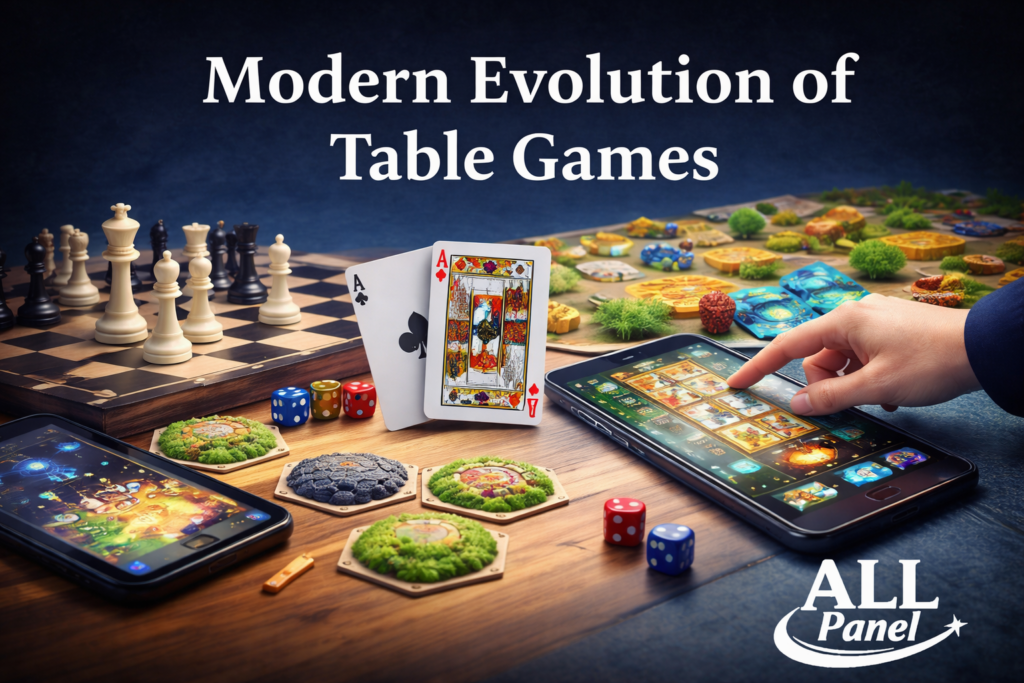
Table games have evolved significantly over time, adapting to changing lifestyles, technologies, and player preferences. While traditional games continue to hold their charm, modern innovations have expanded the scope and appeal of table games, making them more dynamic and accessible than ever before.
One of the most notable developments is the rise of modern board games, often referred to as designer games. These games go beyond simple mechanics and introduce rich storytelling, immersive themes, and complex strategies. Unlike traditional games that may rely on repetition, modern table games often provide unique experiences with every playthrough. This evolution has attracted a new generation of players who seek deeper engagement and creativity.
Another major change is the influence of technology on table games. Digital platforms now offer online versions of popular table games, allowing players to compete with others around the world. Mobile apps and websites provide tutorials, practice modes, and multiplayer options, making it easier for beginners to learn and for experienced players to refine their skills. While these digital adaptations add convenience, they also complement rather than replace the traditional physical experience.
The emergence of board game cafes and gaming communities has further contributed to the growth of table games. These spaces provide a welcoming environment where people can explore new games, meet fellow enthusiasts, and participate in events. They have turned table gaming into a social lifestyle activity rather than just a casual pastime.
Modern table games have also become more inclusive and diverse. Game designers are creating content that represents different cultures, perspectives, and themes, making games more relatable to a wider audience. Additionally, there is a growing focus on accessibility, with games designed to be easy to learn while still offering depth for experienced players.
Another important trend is the integration of hybrid gameplay, where physical and digital elements are combined. Some games use companion apps, augmented reality, or interactive features to enhance the overall experience. This blend of traditional and modern elements creates a unique form of entertainment that appeals to both classic and tech-savvy players.
Furthermore, the popularity of competitive and professional gaming in table games has grown. Tournaments, leagues, and championships are now organized for various games, attracting skilled players and audiences. This competitive scene has elevated table games from casual entertainment to a serious pursuit for many enthusiasts.
The design and production quality of table games have also improved dramatically. Modern games often feature high-quality components, detailed artwork, and innovative designs that enhance the visual and tactile experience. This attention to detail adds to the overall enjoyment and makes games more appealing.
In summary, the modern evolution of table games reflects their ability to adapt and thrive in a changing world. By embracing innovation while preserving traditional elements, table games continue to remain relevant, engaging, and widely محبوب. They successfully bridge the gap between the past and the future, offering experiences that are both nostalgic and fresh.
Conclusion
Table games have stood the test of time as one of the most engaging and meaningful forms of entertainment. From their ancient origins to their modern innovations, they continue to bring together people of all ages and backgrounds through a shared experience of play. Their unique combination of strategy, skill, and social interaction makes them far more than just games—they are tools for learning, connection, and personal growth.
Throughout their evolution, table games have remained relevant by adapting to changing trends while preserving their core essence. They challenge the mind, encourage communication, and create opportunities for bonding in ways that few other activities can. Whether it is a simple family game night or a competitive match, the value of table games lies in the experiences they create and the skills they develop.
In today’s fast-paced and digitally driven world, table games offer a refreshing return to real-world interaction. They remind us of the importance of spending quality time with others, thinking critically, and enjoying moments of genuine connection. Their accessibility and diversity ensure that there is always a game suited for every individual and occasion.
Ultimately, table games are not just about winning or losing—they are about the journey, the memories, and the relationships built along the way. As they continue to evolve and inspire new generations, their timeless appeal will remain strong, securing their place as a cherished part of human culture for years to come.
FAQs About Table Games
1. What are table games?
Table games are games played on a flat surface using boards, cards, dice, or tiles. They include popular options like chess, carrom, poker, and many modern board games that focus on strategy, skill, or social interaction.
2. Are table games based on skill or luck?
Table games can involve both skill and luck, depending on the type of game. Strategy-based games like chess rely mostly on skill, while games like dice or certain card games include elements of chance. Many games combine both aspects for a balanced experience.
3. What are the benefits of playing table games?
Table games help improve cognitive skills, enhance concentration, and develop strategic thinking. They also promote social interaction, reduce stress, and strengthen relationships through shared experiences.
4. Can table games be played online?
Yes, many table games are now available in digital formats. Players can enjoy them online with friends or compete with others worldwide. You can also explore more gaming options and platforms through this resource: allpanelexchange
5. Which table games are best for beginners?
Beginners can start with simple games like checkers, carrom, or basic card games such as rummy. These games are easy to learn and help build confidence before moving on to more complex options.
6. Are table games suitable for all age groups?
Yes, table games are highly inclusive and can be enjoyed by people of all ages. There are games designed specifically for children, adults, and even family-friendly options that everyone can play together.
7. How do table games improve social skills?
Table games encourage communication, teamwork, and healthy competition. Playing with others helps individuals learn cooperation, patience, and respect, which are essential social skills.
8. Why are table games still popular today?
Despite the rise of digital entertainment, table games remain popular because they offer face-to-face interaction, mental challenges, and a unique sense of connection that digital platforms often cannot fully replicate.